

The fuel system in an automotive vehicle is a crucial component responsible for storing, delivering, and managing the fuel needed for the engine to operate efficiently. It plays a significant role in the performance, fuel efficiency, and emissions of the vehicle. Here's what you need to know about the automotive fuel system:
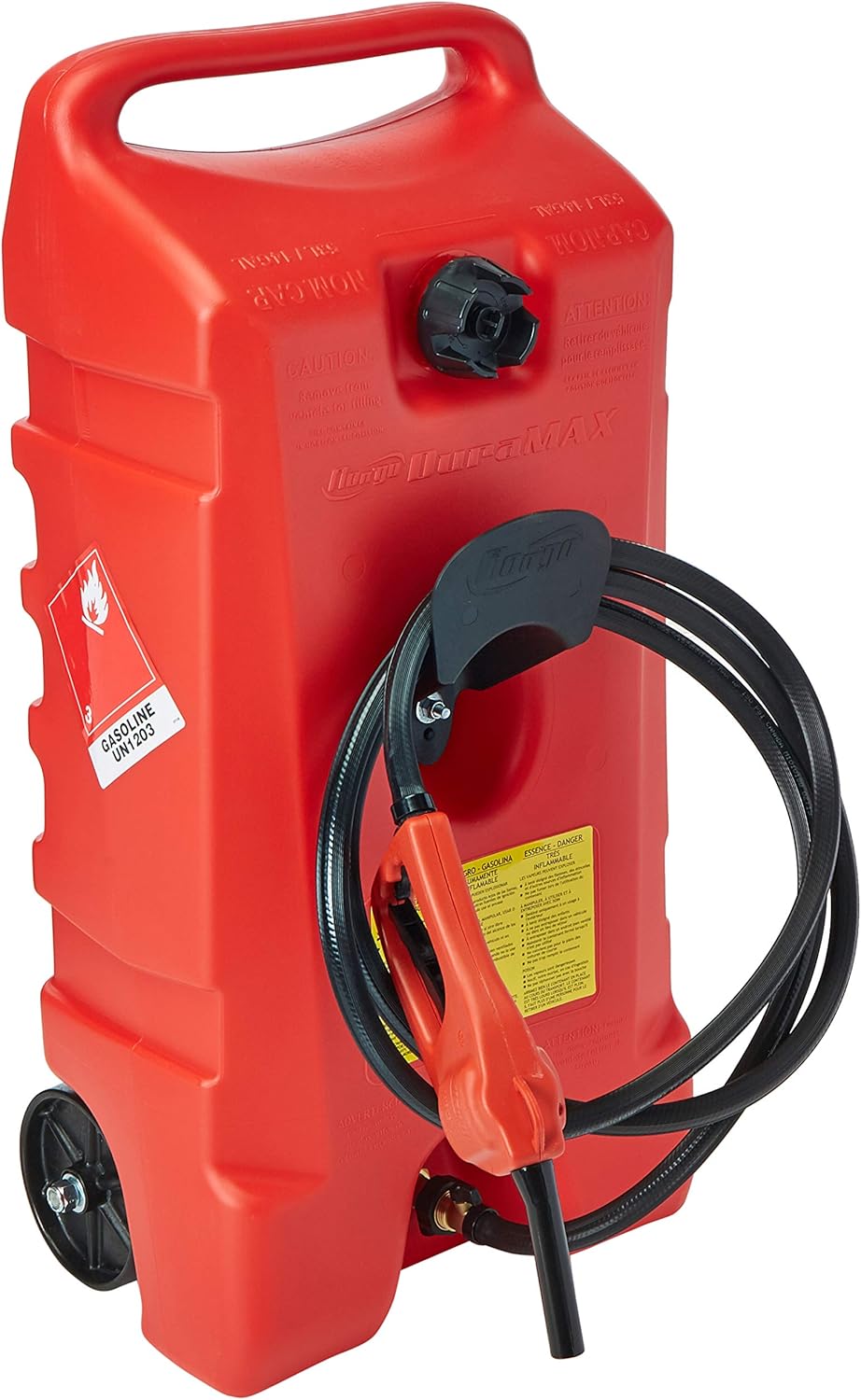
Fuel Tank: The fuel system starts with the fuel tank, which stores the gasoline or diesel fuel.The tank is typically located in the rear of the vehicle and is designed to prevent fuel leaks and minimize vapor emissions.
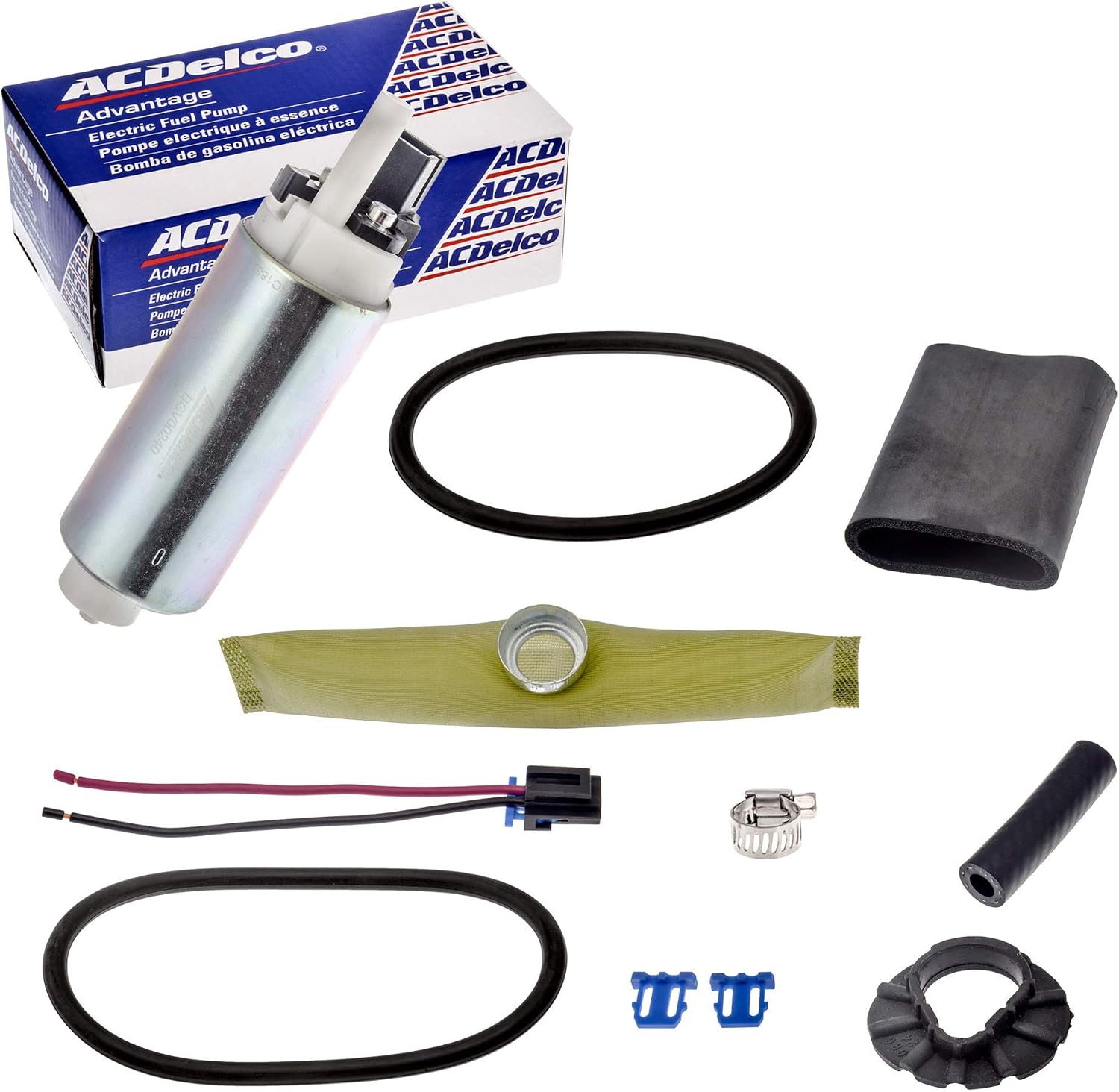
Fuel Pump: The fuel pump is responsible for drawing fuel from the tank and delivering it to the engine. In modern vehicles, electric fuel pumps are commonly used and are located inside the fuel tank.
Fuel Lines: Fuel lines carry the pressurized fuel from the fuel pump to the engine. These lines are typically made of steel, rubber, or plastic and must be designed to withstand the pressure and temperature conditions of the fuel.
Fuel Filter: The fuel filter is placed in the fuel line to remove contaminants and impurities from the fuel before it reaches the engine. Regular replacement of the fuel filter is essential to maintain the efficiency of the fuel system.
Fuel Injectors: In fuel-injected engines, fuel injectors spray a precise amount of fuel into the engine's combustion chambers. This method of fuel delivery is more precise and efficient than carburetors, which were used in older vehicles.
Throttle Body: The throttle body is part of the air intake system but is closely linked to the fuel system. It controls the amount of air entering the engine, which, in turn, affects the fuel-to-air ratio and engine performance.
Fuel Pressure Regulator: The fuel pressure regulator maintains a consistent pressure in the fuel system. It ensures that the fuel injectors receive fuel at the correct pressure for efficient combustion.
Fuel Rail: The fuel rail is a pipe or rail-like structure that delivers fuel to the individual fuel injectors. It helps distribute fuel evenly to all cylinders of the engine.
Engine Control Unit (ECU): The ECU is the vehicle's onboard computer that monitors and controls various aspects of the fuel system, including the fuel-air mixture, timing, and emissions control.
Emissions Control: Modern fuel systems incorporate emissions control devices like catalytic converters and oxygen sensors to reduce harmful exhaust emissions and meet environmental regulations.
Fuel Pressure Sensors: These sensors monitor the fuel pressure within the system and provide data to the ECU to adjust fuel delivery as needed.
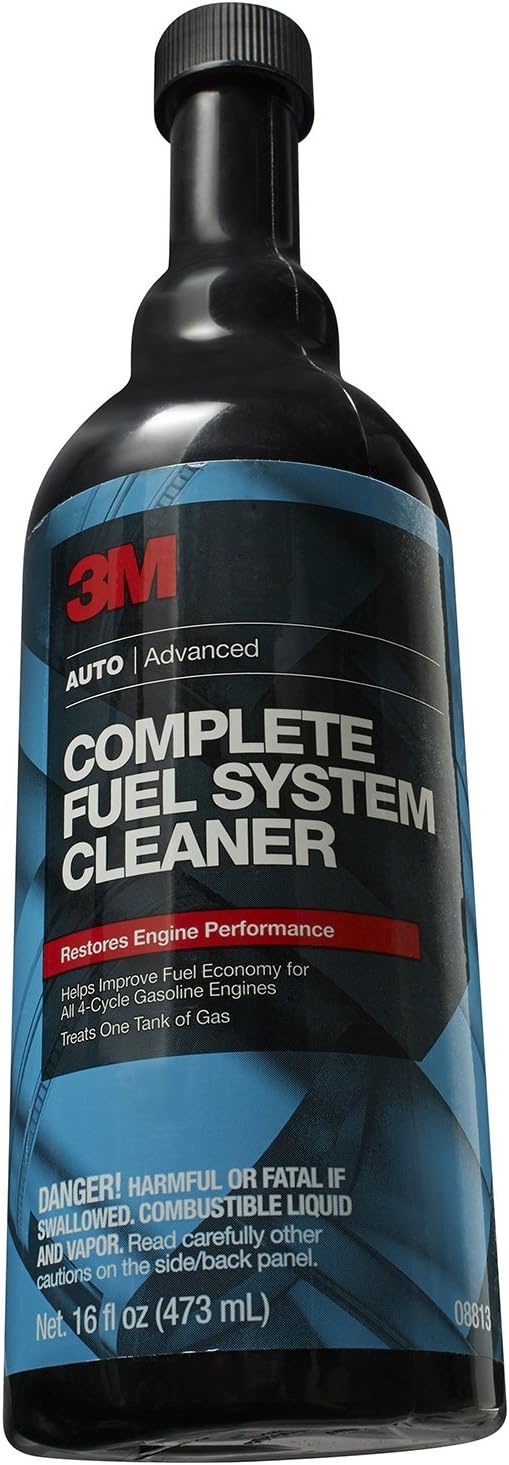
Fuel Additives: Some fuel systems may benefit from the use of fuel additives, such as fuel system cleaners or stabilizers, to improve fuel quality and prevent deposits in the system.
In summary, the automotive fuel system is a complex network of components that work together to store, deliver, and regulate fuel for the engine. Proper maintenance and care of the fuel system are essential for optimal vehicle performance, fuel efficiency, and emissions control. Regular inspections and timely replacement of components like fuel filters are key to keeping the system running smoothly.