
Weed Moss Control

Reviews in that Category
Weed moss control is an important aspect of gardening and lawn care, as moss can compete with grass and other desirable plants for space, nutrients, and moisture. Moss often thrives in shaded, damp, or compacted areas of the lawn or garden. Here's what you should know about weed moss control:
Identifying Moss: Moss is a non-flowering plant that forms dense, carpet-like mats in shady and moist environments. It typically appears as a greenish, velvety growth on the soil's surface. Moss can be unsightly and may make it difficult for grass and other plants to grow.
Causes of Moss Growth:
- Shade: Moss thrives in areas with limited sunlight. Trees, shrubs, and structures that block sunlight can create ideal conditions for moss growth.
- Compacted Soil: Poorly aerated and compacted soil can lead to moss development. Compacted soil reduces water drainage and airflow, creating a hospitable environment for moss.
- Acidic Soil: Moss prefers acidic soil conditions, so adjusting the soil pH can help prevent moss growth.
Moss Control Methods:
- Improve Sunlight: Pruning or removing trees and shrubs that cast shade over your lawn can help increase sunlight exposure and discourage moss growth.
- Aerate the Soil: Lawn aeration, which involves perforating the soil with holes, can improve soil drainage and reduce compaction, making it less hospitable to moss.
- Adjust Soil pH: Moss prefers acidic conditions, so you can raise the soil pH by applying lime to make it less conducive to moss growth.
- Regular Lawn Maintenance: Proper lawn care practices, such as mowing at the correct height, overseeding, and fertilizing, can help promote healthy grass growth, which can outcompete moss.
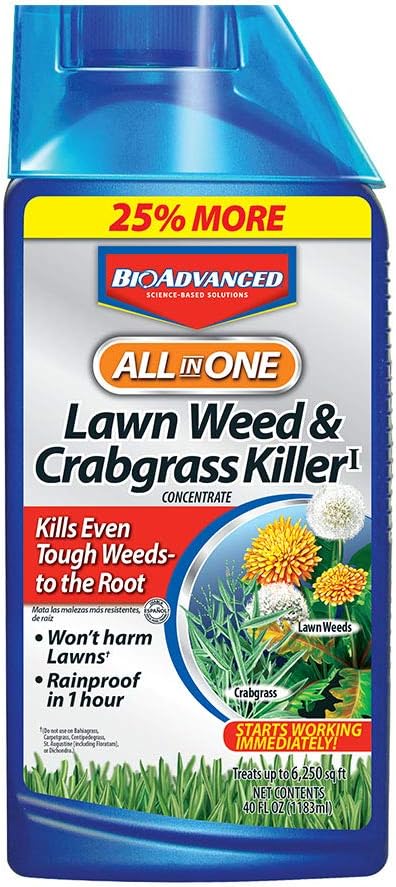
- Chemical Control: Moss control products, such as moss-killing sprays or granules, are available. These products contain chemicals that target and kill moss. Be sure to follow the manufacturer's instructions for safe and effective use.
Preventive Measures:
- Improve Drainage: Proper drainage can help prevent the accumulation of excess moisture, reducing the likelihood of moss growth.
- Reduce Shade: Prune overhanging branches and consider planting shade-tolerant grass varieties in areas with limited sunlight.
- Monitor Soil pH: Regularly test your soil's pH and adjust it as needed to discourage moss growth.
- Maintain a Healthy Lawn: Consistent lawn care practices, including watering, fertilizing, and regular mowing, can help maintain a thick and healthy lawn that is less susceptible to moss invasion.
Timing: Moss control is often most effective when applied in the fall or early spring when moss is actively growing and before other plants have begun to green up.
Environmental Considerations: Be cautious when using chemical moss control products, as they can impact the surrounding environment.Follow application instructions and consider more eco-friendly alternatives if necessary.
By understanding the causes of moss growth and implementing the appropriate control and prevention measures, you can maintain a healthy, moss-free lawn and garden. Regular maintenance and attention to soil and light conditions are key to successful weed moss control.