
Sleeping Pads

Reviews in that Category
Sleeping pads are an essential piece of camping and outdoor gear designed to provide comfort and insulation while sleeping in a tent or on the ground. They are a crucial part of your camp bedding setup and play a significant role in ensuring a good night's sleep while camping or hiking. Here's what you need to know about sleeping pads:
Types of Sleeping Pads:
Foam Pads: These are lightweight and durable. They provide insulation and comfort by creating a barrier between your body and the cold ground. Closed-cell foam pads are cheaper and less comfortable, while open-cell foam pads offer better comfort but are bulkier.
Inflatable Pads: These are filled with air and can be adjusted to your desired firmness. They are more comfortable than foam pads but can be punctured, so it's essential to carry a repair kit.
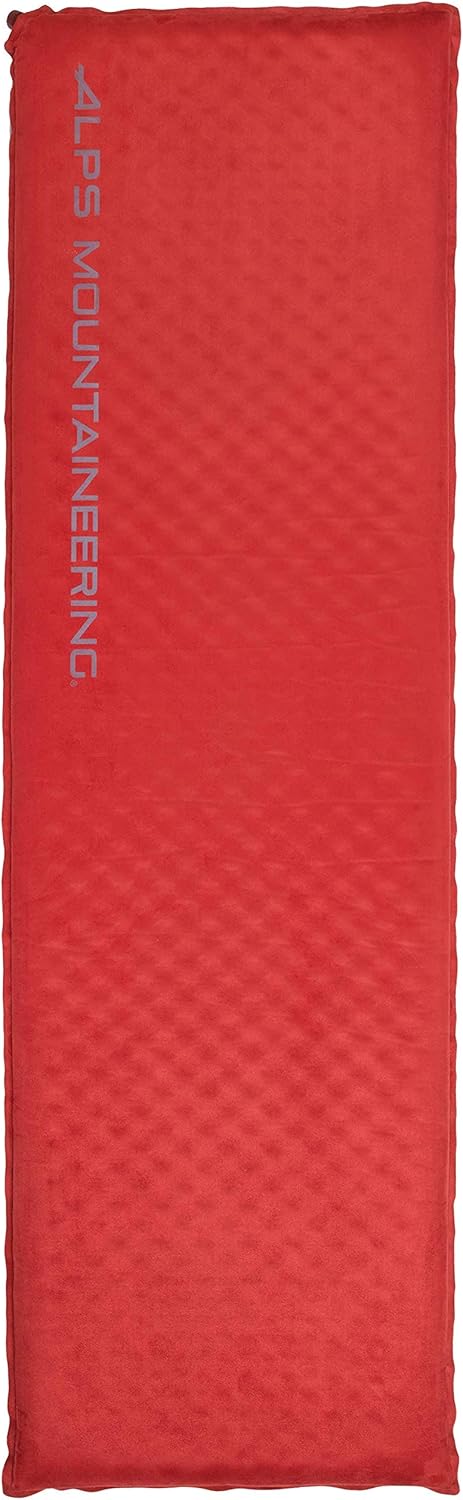
Self-Inflating Pads: These combine foam and air to provide a comfortable and insulated sleeping surface.They self-inflate to some extent when you open the valve and can be further inflated manually for added comfort.
R-Value: The R-value of a sleeping pad measures its thermal resistance and insulation capability. A higher R-value indicates better insulation, which is crucial for camping in cold conditions. Choose a pad with an appropriate R-value for the expected temperature range.
Size and Weight: Consider the size and weight of the sleeping pad, especially if you're backpacking. Lightweight and compact pads are ideal for hikers, while car campers may prioritize comfort over portability.
Inflation and Deflation: Some sleeping pads require manual inflation, while others come with built-in pumps or self-inflating mechanisms. Choose one that suits your preference and needs.
Durability: Check the material and construction of the sleeping pad. Look for puncture-resistant materials if you plan to use it in rugged terrain.
Thickness and Comfort: Thicker pads generally offer better comfort but can be bulkier. Consider your personal comfort preferences when choosing the thickness of your sleeping pad.
Price Range: Sleeping pads come in a wide price range, so it's essential to find one that fits your budget. Keep in mind that investing in a high-quality sleeping pad can greatly enhance your camping experience.
Maintenance: Properly maintain your sleeping pad by cleaning it regularly and storing it in a dry place to prevent mold and mildew growth.
Accessories: Some sleeping pads come with accessories like stuff sacks, repair kits, and straps for easy transport and setup.
Brand and Reviews: Research different brands and read reviews from other campers to get a sense of the quality and performance of a specific sleeping pad.
Remember that choosing the right sleeping pad is a personal decision, and your choice should be based on factors such as your camping style, budget, and the environmental conditions you expect to encounter. A comfortable and well-insulated sleeping pad is essential for a good night's sleep in the great outdoors.