
10 best interior designing software
Interior designing software refers to computer programs and applications specifically designed for professionals and enthusiasts in the field of interior design and architecture. These software tools are essential for creating, visualizing, and planning interior spaces, helping designers and architects bring their ideas to life and communicate them effectively to clients. Here are some key aspects related to interior designing software:
Design and Visualization: Interior designing software allows users to create detailed floor plans, room layouts, and 3D visualizations of interior spaces. Designers can experiment with various color schemes, furniture arrangements, and decorative elements to get a clear picture of the final design.
CAD (Computer-Aided Design): Many interior design software packages include CAD features, enabling precise drafting and measurements. CAD tools are crucial for creating accurate floor plans and architectural drawings.
Library of Objects: These software programs often come with extensive libraries of furniture, fixtures, textures, and materials. Designers can drag and drop these elements into their designs to see how they fit within a space.
Customization: Interior designing software allows for a high degree of customization. Users can create custom furniture, lighting, and fixtures or import 3D models of real-world objects.
Rendering and Visualization: High-quality rendering capabilities allow designers to create realistic images and walkthroughs of interior designs. This is useful for presenting concepts to clients and stakeholders.
Collaboration: Some software tools offer collaboration features, enabling multiple team members to work on a project simultaneously or share designs with clients for feedback.
Cost Estimation: Some interior design software includes cost estimation features, helping designers and clients understand the budget implications of design choices.
Compatibility: Interior design software often allows for compatibility with other software and formats, such as AutoCAD, SketchUp, and 3D modeling software.
Learning Resources: Many software packages come with tutorials, user guides, and online communities where users can learn and seek help.
Popular interior designing software includes AutoCAD, SketchUp, 3ds Max, Revit, Chief Architect, and more. The choice of software often depends on the specific needs of the designer, the complexity of the projects, and the level of expertise.
Books related to interior design software can provide in-depth guidance on how to use specific software tools effectively for interior design projects.These books may cover various aspects of interior design, including drafting, 3D modeling, rendering, and project management, with a focus on using software as a design aid.
In summary, interior designing software is a crucial tool for professionals and enthusiasts in the field of interior design and architecture. It facilitates the creation, visualization, and communication of interior design concepts, making it an essential part of modern interior design practice.
Below you can find our editor's choice of the best interior designing software on the market
SketchUp for Interior Design: 3D Visualizing, Designing, and Space Planning

Home Quick Planner: Reusable, Peel & Stick Furniture & Architectural Symbols
Design Work

Things Every Designer Needs to Know About People (Voices That Matter)
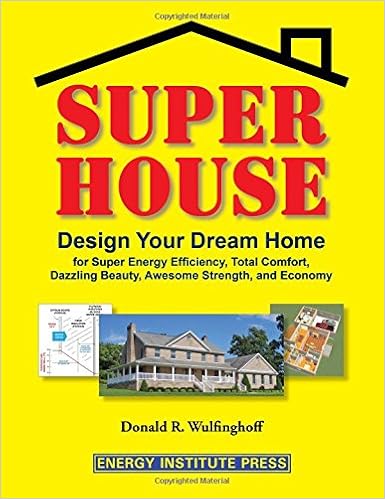
Super House: Design Your Dream Home for Super Energy Efficiency, Total Comfort, Dazzling Beauty, Awesome Strength, and Economy

The Interior Design Reference & Specification Book: Everything Interior Designers Need to Know Every Day
Foundations for Designing User-Centered Systems: What System Designers Need to Know about People

NKBA Kitchen and Bathroom Planning Guidelines with Access Standards
The eLearning Designer's Handbook: A Practical Guide to the eLearning Development Process for New eLearning Designers

Fashion Drawing, Second Edition: Illustration Techniques for Fashion Designers (Perfect book for Fashion Students)
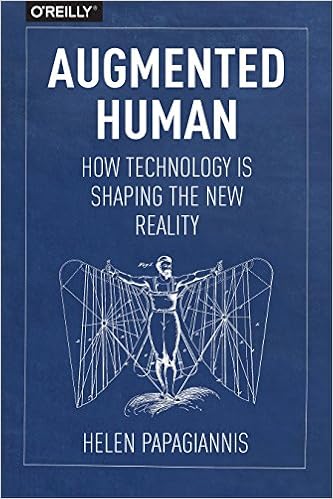
Augmented Human: How Technology Is Shaping the New Reality
Product features
From the Preface
Twelve years ago, I caught my first glimpse of the power of Augmented Reality (AR) as a new communication medium. It was pure magic: a virtual 3-D cube appeared in my physical surroundings and I was awestruck. The augmented cube demo wasn’t interactive at the time (it did nothing else other than appear), however, it ignited my imagination for how AR could grow and evolve. At that moment, I dedicated my creative work, research, and public speaking to the new experiences AR made possible.
I wrote this book because I began to witness a much-needed shift from a focus on the technology alone to a push towards creating compelling content and meaningful experiences in AR. This book is about exploring those big ideas and the extraordinary new reality AR affords. Now is the time to dream, design, and build our wondrous future.
As AR advances, we must ask: How can we design AR experiences to enhance a user’s life and make it easier and better? MIT Media Lab founder Nicholas Negroponte said, “Computing is not about computers anymore. It is about living.” AR is no longer just about the technology, it’s about living in the real world, and creating magical and meaningful experiences that are human-centred. This book is about how AR will enrich our daily lives and extend humanity in unprecedented ways.
Who Should Read This Book
It’s not too often an entire new medium emerges. You should read this book if you’re a maker, a doer, and an explorer who is excited by creating a path where there is no trail, and want to contribute to this rapidly growing industry. You should also read this book as an informed consumer for a peek at the new experiences that will change the way we live, work, and play.
You are a designer, a developer, an entrepreneur, a student, an educator, a business leader, an artist, and a technology enthusiast curious about and excited by the possibilities AR presents. You are committed to designing and supporting AR experiences for the deepest of human values to have a profound impact on bettering humanity.
No prior knowledge of AR is required to read this book. To get the most out of this book, I do recommend trying out an AR experience first-hand (several ideally), including any of the examples referenced throughout the chapters.
Latest Reviews
View all
Sony Of Mazes
- Updated: 28.02.2023
- Read reviews

Janome Heavy Duty Sewing Machine
- Updated: 25.07.2023
- Read reviews

General Edge Car Seat Covers
- Updated: 10.05.2023
- Read reviews

Cricket Hair Brushes For Women
- Updated: 15.05.2023
- Read reviews

Cleanser For Acnes
- Updated: 25.06.2023
- Read reviews